Enterprise and supplier development that actually scales suppliers
Why ESD budgets often fail to grow suppliers, and the design choices that link spending to contracts, capacity and graduation from ED to SD.

Tenders, B-BBEE and inclusion
Supplier development is most useful when it builds a supplier’s practical ability to deliver through defined work, skills transfer, quality support and fair commercial terms. It should have clear objectives, accountable participants and measures tied to real capability, not only paperwork. Buyers and prime contractors should avoid promising work or funding they cannot provide, and should monitor whether development activities lead to sustainable participation.
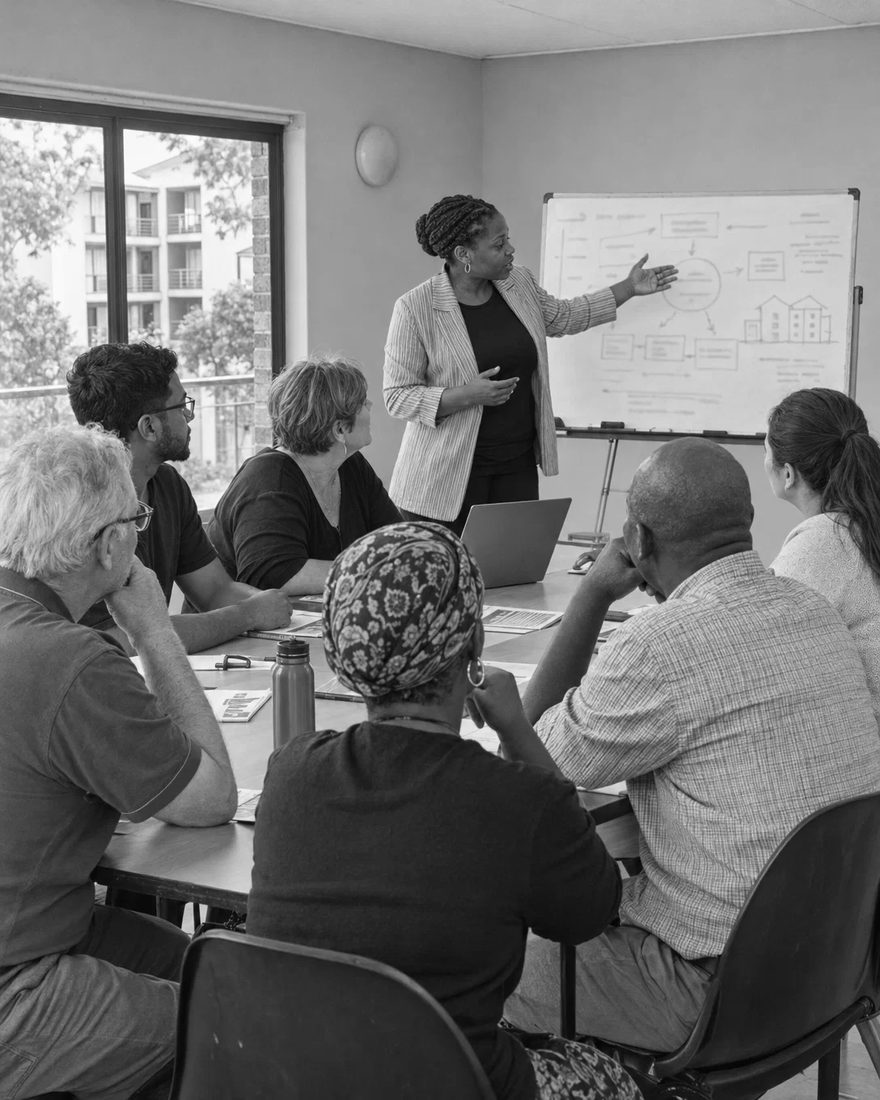
Start by identifying the capability gap that prevents a supplier from meeting a defined standard or scope. The objective might concern quality systems, safety practices, production capacity, digital records, estimating or contract administration. Agree a baseline and a realistic improvement plan with the supplier. Avoid a generic training package that is disconnected from the work the business is expected to perform.
Where possible, pair support with a transparent scope, mentoring, technical feedback or a defined subcontracting opportunity. State the quality expectations, payment process, delivery risks and decision rights. A supplier should understand whether work is committed or only possible, and what investment is required. Development does not mean a guarantee of contracts, funding or future business. Keep selection criteria and conflict-of-interest controls visible.
Track practical measures such as completed training, quality performance, delivery reliability, compliance readiness and the supplier’s ability to work independently. Gather feedback from both the buyer and supplier, and revise support where barriers remain. For disability-owned suppliers, make sure procurement processes and work environments are accessible and that support addresses genuine barriers. Dev 360 describes its inclusion work on the social impact page.
No. It can involve mentoring, training, quality support, access to work or other capability-building activities. Funding is only one possible input and should never be promised unless formally available.
Use agreed measures linked to the original capability gap, such as quality, on-time delivery, safety readiness or completion of a defined skills programme. Record the baseline and review progress with the supplier.
No. Development can improve readiness, but future work depends on demand, procurement rules, performance and available opportunities. Be clear about what is committed and what is not.
Why ESD budgets often fail to grow suppliers, and the design choices that link spending to contracts, capacity and graduation from ED to SD.
Understand supplier development in South African procurement, from clear scope and mentorship to fair payment, measurable capability and inclusion.
Understand B-BBEE levels in South Africa, what they indicate, how procurement evidence is checked and why bid-specific criteria still matter.
Talk to Dev 360