Can a body corporate use prepaid electricity sub-meters?
Understand prepaid electricity sub-metering in sectional title schemes, including billing rules, meter data, owner communication and implementation checks.

Energy and utilities
Smart sub-metering records unit or circuit consumption and can transmit readings for analysis or billing. Trustees should check meter accuracy, data access, cybersecurity, supplier continuity and the scheme’s authority to use readings for cost recovery. Agree how readings will be verified and challenged, and make sure owners understand what the system measures before relying on its reports.
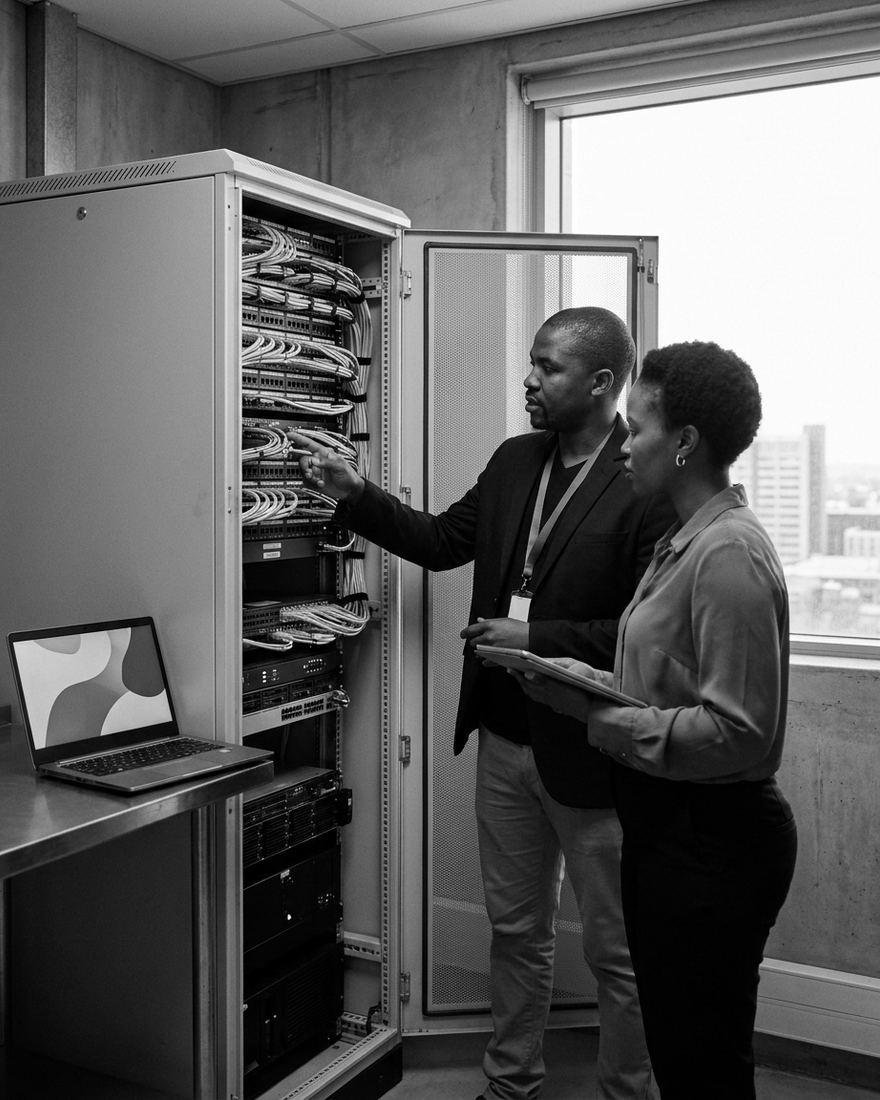
Smart meters can reveal consumption patterns that occasional manual readings miss, but the value depends on installation and data quality. Map meters to units, common services or equipment and check whether the boundaries match the intended use. Ask about accuracy class, calibration, communications failures, replacement and how readings are time-stamped. A dashboard should not be treated as proof that a reading is correct without an auditable underlying record.
Before collecting detailed usage records, define who may see identifiable readings, what information is retained and how it is protected. Consider whether data is shared with managing agents, service providers, owners or tenants, and document the purpose. Trustees should confirm how readings will affect accounts and what evidence is available when a charge is disputed. A written service agreement should cover system access, support, data export and continuity if the provider changes.
Smart sub-metering can support utility recovery only when the scheme’s authority, tariffs, billing method and administrative controls are clear. Separate consumption charges from service fees and explain how estimated or missing readings are treated. Reconcile sub-meter totals with the bulk bill and investigate unexplained differences. Dev 360 supports complex property issues through body corporate interventions, including coordination around operational and governance decisions.
Check each source’s current version before acting.
Not automatically. Accuracy depends on the meter, installation, calibration, communications and reading process. Trustees should ask for technical specifications and a way to verify the underlying measurement.
The contract should address data export, access credentials, service continuity, equipment ownership and transition support. Agree these safeguards before installation so the scheme can retain its records and operating capability.
Understand prepaid electricity sub-metering in sectional title schemes, including billing rules, meter data, owner communication and implementation checks.
Hiring smart metering providers? Trustees should confirm the municipality accepts the meter type and that the vendor signs a POPIA operator agreement.
Practical fraud controls for sectional title schemes: separate accounts, dual approval, fidelity cover, bank verification, conflict declarations and audits.
Talk to Dev 360