Land, approvals and construction, facilitated end to end
PropDev 360 facilitates development in Gauteng: housing, student living, hospitality, commercial and energy-ready schemes. Details under NDA.

Property development
Before buying land for development, verify ownership and title conditions, land-use rights, access, servitudes, bulk services, environmental constraints and realistic project feasibility. Obtain specialist legal, planning, engineering and financial input for the intended use. A desktop listing is not proof that a site is developable. PropDev 360 facilitates development diligence and decisions, but does not promise approvals or funding.
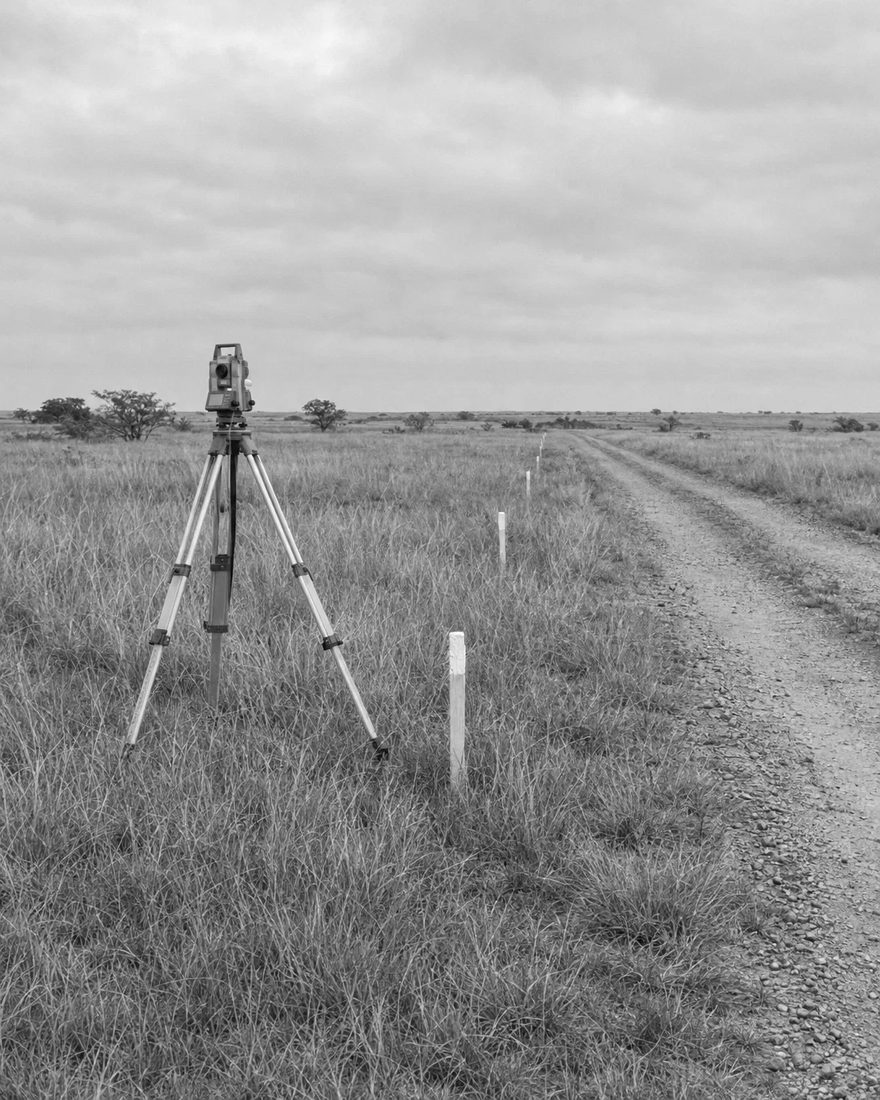
Confirm the seller’s authority and review the title deed, registered conditions, servitudes and any restrictions that may affect the intended project. Check legal access and investigate whether rights of way or road connections are secure. A land description or marketing summary is not a substitute for conveyancing review. Ask a property attorney to identify conditions, caveats and transaction requirements before signing an unconditional offer.
A planner should establish the current land-use rights, relevant scheme provisions and likely application route for the proposed use. Investigate environmental constraints, geotechnical conditions, flood risk, heritage issues where relevant and available municipal services. Confirm whether bulk contributions, upgrades or capacity constraints could affect cost or programme. Requirements are site-specific and can change; verify current information with the relevant authority and qualified professionals.
Use evidence-based assumptions for development costs, timing, approvals, procurement, sales or leasing, operating needs and risk. Test downside scenarios and identify conditions that must be resolved before acquisition or further spend. A staged decision can make remaining unknowns visible. PropDev 360’s facilitation can help organise the seven-gate journey from verification through handover, but landowners and investors should make commitments only after their advisers have reviewed the evidence.
Check each source’s current version before acting.
No. Due diligence identifies risks and informs decisions; approvals remain subject to applicable laws, authority processes and the merits of the application.
A conveyancer or property attorney should review title records and advise on their effect. Planners and engineers can assess development implications within their professional scope.
No. Confirm land-use rights and conditions with the municipality and a registered planning professional before relying on an advertisement or informal description.
PropDev 360 facilitates development in Gauteng: housing, student living, hospitality, commercial and energy-ready schemes. Details under NDA.
Six tests for a development opportunity: location, zoning and approvals, bulk services, market demand, total cost and the due diligence still needed.
The seven gates PropDev 360 clears before a development moves forward: verify, feasibility, diligence, structure, approvals, delivery and handover.
Talk to Dev 360