When should a business use a data warehouse instead of spreadsheets?
Compare a data warehouse with spreadsheets by checking data volume, source count, history, control needs and the reliability required for reporting.

Data and BI
A business can combine information from different systems by defining the reporting purpose, mapping each source and matching records through reliable identifiers. Document how fields are transformed, resolve conflicts and reconcile totals before publishing a combined view. Start with a limited use case and confirm the data can be accessed and used appropriately. Integration is as much about agreed meaning and ownership as it is about technical connections.
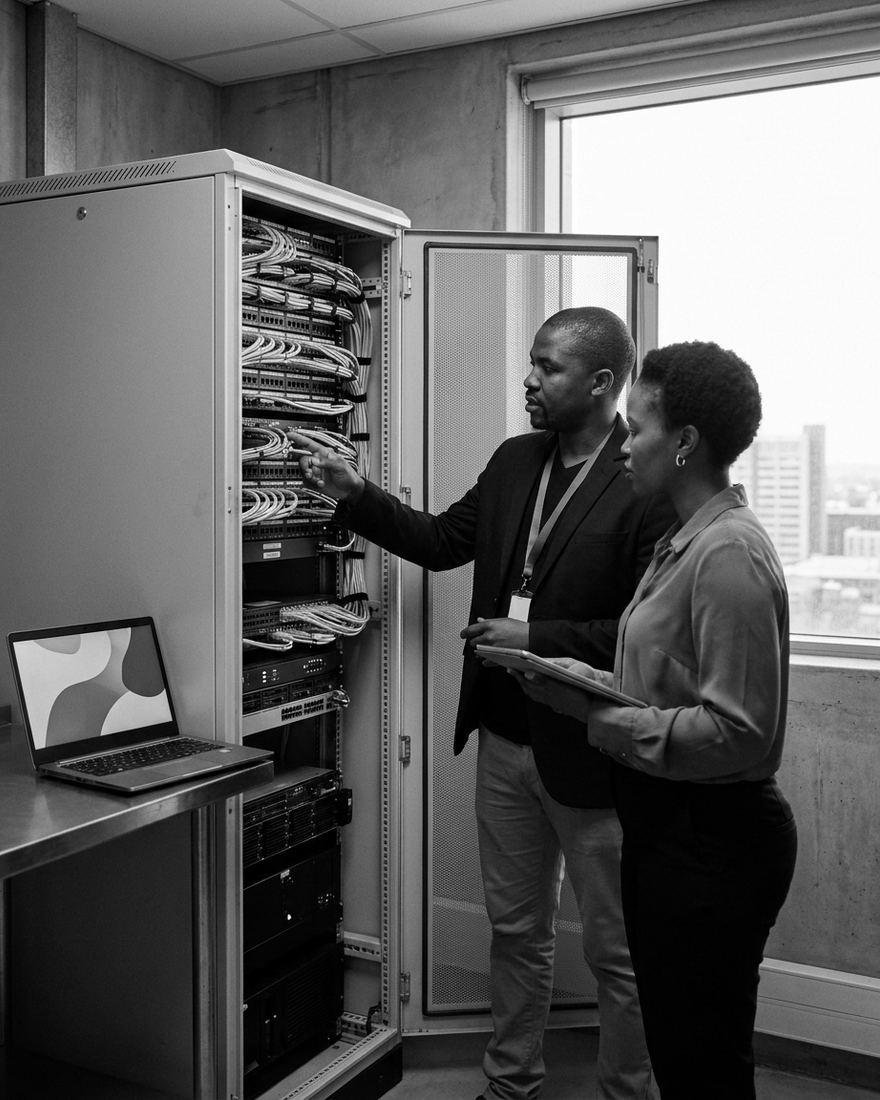
List the systems, spreadsheets and reports that contain relevant information. For each, note its owner, update timing, fields, identifiers and known quality issues. Identify where the same concept uses different labels, such as customer status or asset reference. Clarify which source is authoritative for each field rather than choosing a single system for everything. The map should also capture access constraints and the intended use, especially when personal or commercially sensitive information is included.
Agree how records will be linked, what happens when identifiers are missing and how conflicting values are handled. Define formats, reporting periods, units and treatment of blank values. Document each transformation so users can understand how source information became a report measure. For uncertain matches, retain a review route instead of silently combining records. Test the rules with a sample that includes normal cases and known exceptions, then involve people who understand the operational data.
Compare key totals and sample records with source systems before sharing results. Note when each source was updated and how missing information affects interpretation. Assign ownership for connector issues, definition changes and source corrections. Integration should be monitored because systems, fields and business processes change. Dev 360 business intelligence and technology consultation services can help scope an integration plan that starts with a clear reporting question and stays proportionate to the organisation’s capacity.
No. Start with the sources needed for a specific decision or report. A smaller integration is easier to validate and can show whether further connections are worth the effort.
Define which source is authoritative for the field and establish a process to investigate conflicts. Do not hide the discrepancy by choosing a value without a documented rule.
No. Integration may involve manual controlled imports, scheduled connectors or other methods. Select an approach based on source capability, access, refresh needs and support requirements.
Compare a data warehouse with spreadsheets by checking data volume, source count, history, control needs and the reliability required for reporting.
Data governance sets practical ownership, definitions, access and quality rules so an SME can use information consistently and responsibly.
Use defined fields, validation rules, duplicate checks and accountable owners to improve data quality before business reporting is automated.
Talk to Dev 360