15,587new CSOS dispute applications in 2023/24, up from 11,306
62.5%of those disputes were financial, led by levy arrears
162 of 257municipalities in financial distress in 2023/24
3% vs 8%of asset value spent on municipal maintenance, against the 8% guideline
A cycle, not an event
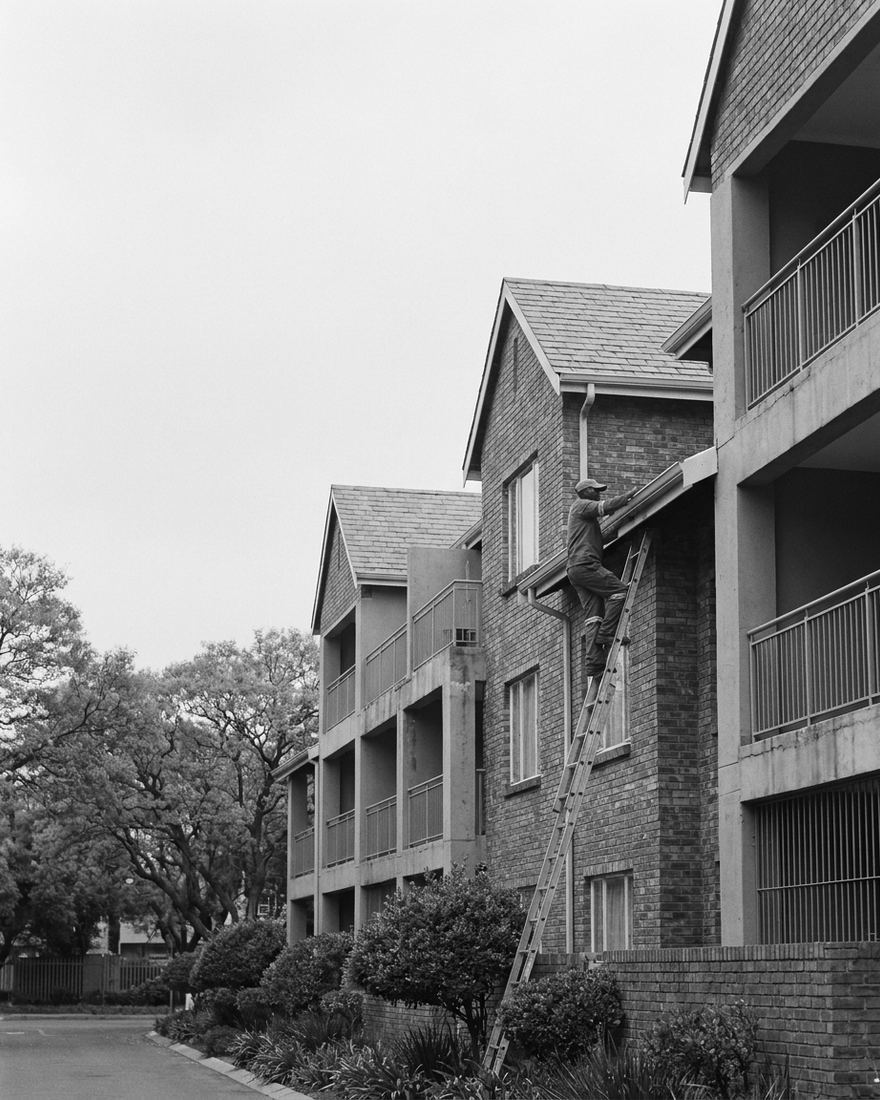
Most complexes do not decline because of one bad decision. They decline because a small backlog is allowed to compound. Maintenance is deferred to keep levies low; deferred work becomes more expensive repair; repair is funded by special levies; special levies push more owners into arrears; and arrears starve the budget for the next round of maintenance. Each turn of the cycle makes the next one harder to stop.
The signs are measurable. The Community Schemes Ombud Service received 15,587 new dispute applications in 2023/24, up from 11,306 the year before, and 9,742 of them were financial, with levy arrears and interest on arrears dominating.
What the law already requires
The Sectional Titles Schemes Management Act requires every body corporate to keep an administrative fund reasonably sufficient for running costs and a reserve fund reasonably sufficient for future maintenance and repair of the common property (section 3(1)). The regulations add teeth:
- Reserve minimums (Regulation 2). If the reserve fund is below 25% of the previous year’s administrative contributions, the budgeted reserve contribution must be at least 15% of the administrative budget. Between 25% and 100%, it must at least match the budget for common-property repairs and maintenance.
- A 10-year maintenance, repair and replacement plan (PMR 22). Major capital items, their condition, when work is expected, what it will cost and their expected life, reported on at every AGM.
- Replacement-value insurance (section 3(1)(h) and PMR 23). Buildings insured for what it would cost to rebuild them, with a replacement valuation at least every three years.
A scheme that follows these rules honestly has an early-warning system built in. A scheme that treats them as paperwork loses it.
The municipal layer trustees cannot ignore
Complexes sit on municipal networks that are under strain. National Treasury reported 162 of 257 municipalities in financial distress in 2023/24, with metro water losses averaging 34.6% and electricity losses 20.9% in 2024, far above the benchmarks. The Auditor-General found municipalities spent about 3% of the value of their infrastructure on maintenance, against a recommended 8%, and that more than half of the audited projects were delayed. For trustees, that means planning for outages, pressure problems and failures at the boundary, not only inside it.
Age is not the enemy
Older stock is not automatically failing stock. Lightstone found sectional units aged 30 to 39 years grew in value by an average of 4.7% a year over a decade, ahead of units aged 20 to 29. What separates schemes that hold their value from those that slide is governance: whether the maintenance is planned, funded and done.
A recovery model: condition, cash, compliance, confidence
- Condition. Inspect and score the common property, so the backlog is a list, not a feeling.
- Cash. Cost and phase the 10-year plan, and connect levies, the reserve fund and arrears recovery to it.
- Compliance. Bring the reserve, insurance valuation and records into line with the Act and regulations.
- Communication. Report progress to owners in plain language at every AGM and in between.
- Confidence. Buyers, lenders and insurers respond to schemes that can show their numbers.
Five questions for your next AGM
- When was the 10-year maintenance plan last updated, and what is the most urgent item on it?
- Does the reserve contribution meet the Regulation 2 minimum for our reserve level?
- When was the last replacement valuation for insurance?
- What share of levies is in arrears, and what is the recovery plan?
- What happens to the complex if municipal water or power fails for a week?
This article is general information, not legal, financial, engineering or investment advice. Figures are taken from the sources listed below for the periods they report.
See also: About Dev 360.