Africa’s infrastructure gap is a preparation problem as much as a money problem
Africa needs USD 130 to 170bn a year for infrastructure. Why projects stall before financial close, and what works in roads, energy, water and data.

Africa and infrastructure
When a project earns rand, naira or shillings but owes dollars or euros, a currency fall can push up debt service even if the project performs well. Local-currency finance closes that gap. TCX hedges currency risk for lenders, AfDB issues local-currency bonds, and guarantors such as GuarantCo back local-currency loans.
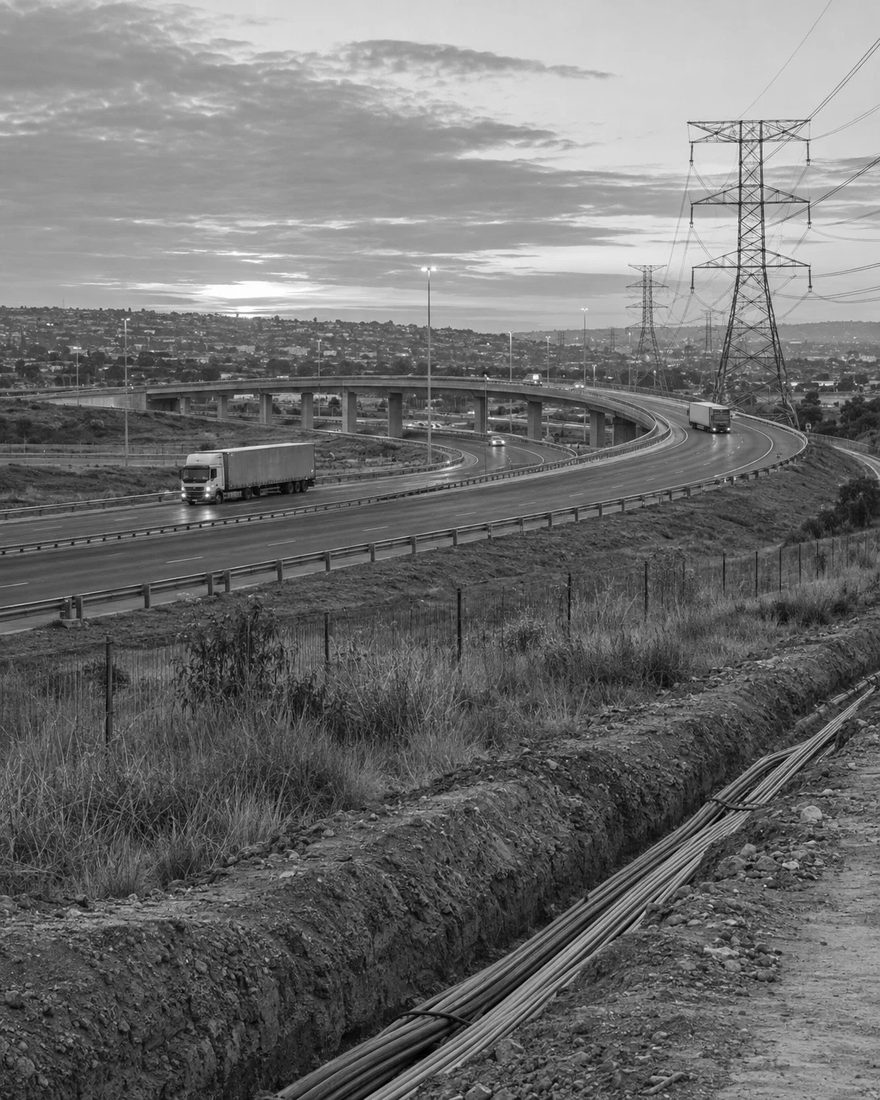
Most infrastructure earns local-currency revenue from tariffs, tolls or power sales. If the debt is in US dollars and the local currency depreciates, the cost of servicing that debt rises sharply in local terms, regardless of how well the asset operates.
Local-currency debt often carries a higher interest rate. The question is whether that premium is cheaper than the currency risk it removes. For long-lived assets with local revenue, it often is.
Related: blended finance in Africa.
Check each source’s current version before acting.
Important. Educational content only. It is not investment advice and makes no return or funding claims.
Foreign-currency debt is risky when an African infrastructure project earns local currency but owes dollars or euros. If the local currency falls, debt service rises in local terms even when the asset performs as expected, creating a mismatch between revenue and repayment obligations.
An African project can borrow in local currency, hedge through TCX, use local-currency bonds or guarantees, or index tariffs where regulators allow. The right option depends on available terms and the project's revenue currency.
Often, yes. Local-currency infrastructure debt can carry a higher interest rate, but it avoids the exchange-rate shock faced when revenues are in rand, naira or shillings and debt is in dollars or euros. For a long-lived asset, compare the rate premium with the risk removed.
Africa needs USD 130 to 170bn a year for infrastructure. Why projects stall before financial close, and what works in roads, energy, water and data.
What a PPP feasibility study must cover before procurement under South Africa's Treasury Regulation 16, plus the approvals TA:I to TA:III explained.
The Nacala corridor shows how transport and border upgrades cut transit times and logistics costs. What the World Bank data shows and what to measure.
Talk to Dev 360