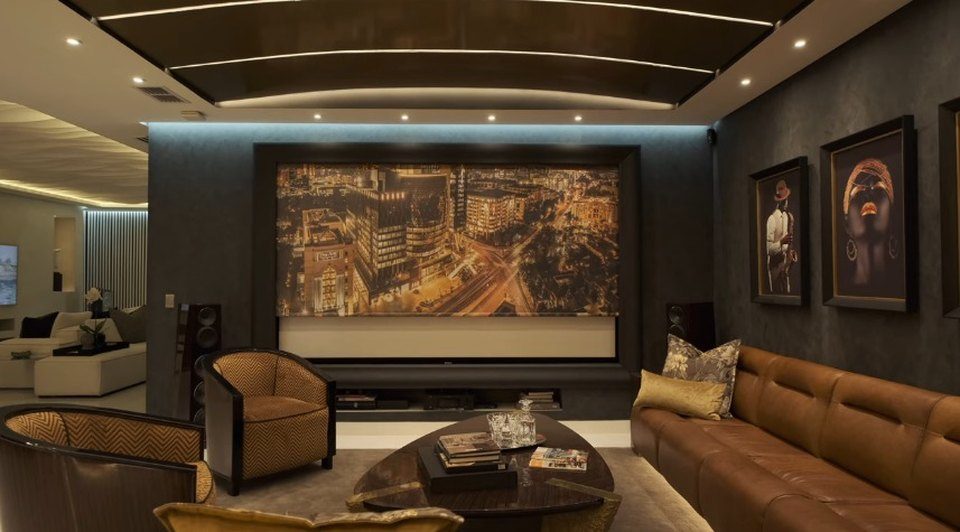
A cinema experience centre, designed by a Dev 360 Associate
A cinema and smart-living experience centre designed by a Dev 360 Associate: lounge cinema, star-ceiling cinema and bar lounge.

Design and architecture
Do not assume that paying for a design service automatically transfers every design right. The contract should say who owns concept drawings and visualisations, what the client may use them for, and whether another team may adapt them. Before commissioning any project, document ownership, licence scope, attribution and permitted reuse in writing.
A designer may retain intellectual property while giving a client permission to use specified deliverables for an agreed purpose. The scope may distinguish a concept from construction documents, and a single site from repeat use. Do not infer the legal position from a presentation, invoice or handover alone. Ask the parties to identify the relevant materials and state clearly what rights are being granted, retained or excluded.
A written agreement can address whether the client may build from the design, make changes, appoint another professional to continue it, reproduce it at another site or use images for promotion. It should also explain what happens if the project pauses or the designer is replaced. Each arrangement is fact-specific, so obtain legal advice where the rights have material commercial value. Clear terms reduce disputes and help everyone understand what the fee covers.
Design IP can preserve the origin and authorised use of a distinctive spatial concept. The cinema experience centre concept is a clear example of why ownership and use rights should be explicit. It does not mean a client automatically receives unrestricted rights to reproduce the concept. Review the written terms for each commission before sharing or adapting design material.
Not necessarily. Payment and intellectual property ownership are separate questions. The written agreement and applicable law determine ownership and the permissions granted for a particular project.
That depends on the licence and contract. Confirm permission to share, adapt or continue the work before sending design materials to another team
Reuse can extend beyond the original brief or site. Recording permitted uses, adaptations and attribution helps prevent different assumptions about the value and scope of the work.
A cinema and smart-living experience centre designed by a Dev 360 Associate: lounge cinema, star-ceiling cinema and bar lounge.
Design Studio: interiors, experience spaces and 3D visualisation, from a parametric experience centre lobby to signature bedroom suites.
Reusing an interior design concept requires checking ownership, licence scope and the original agreement. Confirm ownership and licence permissions before adapting drawings or other design work.
Talk to Dev 360