Backup power and water for complexes: who pays and who approves?
Who pays for generators, inverters, batteries and water tanks in a sectional title complex, and which resolutions PMR 29 requires before installation.

Energy and utilities
Size a building battery by defining which loads must run, their power demand and the required backup duration, then account for usable capacity, inverter limits and system losses. Battery capacity alone does not determine what can operate at once. Use measured load data and have a qualified designer check the design, safety requirements and intended charging strategy.
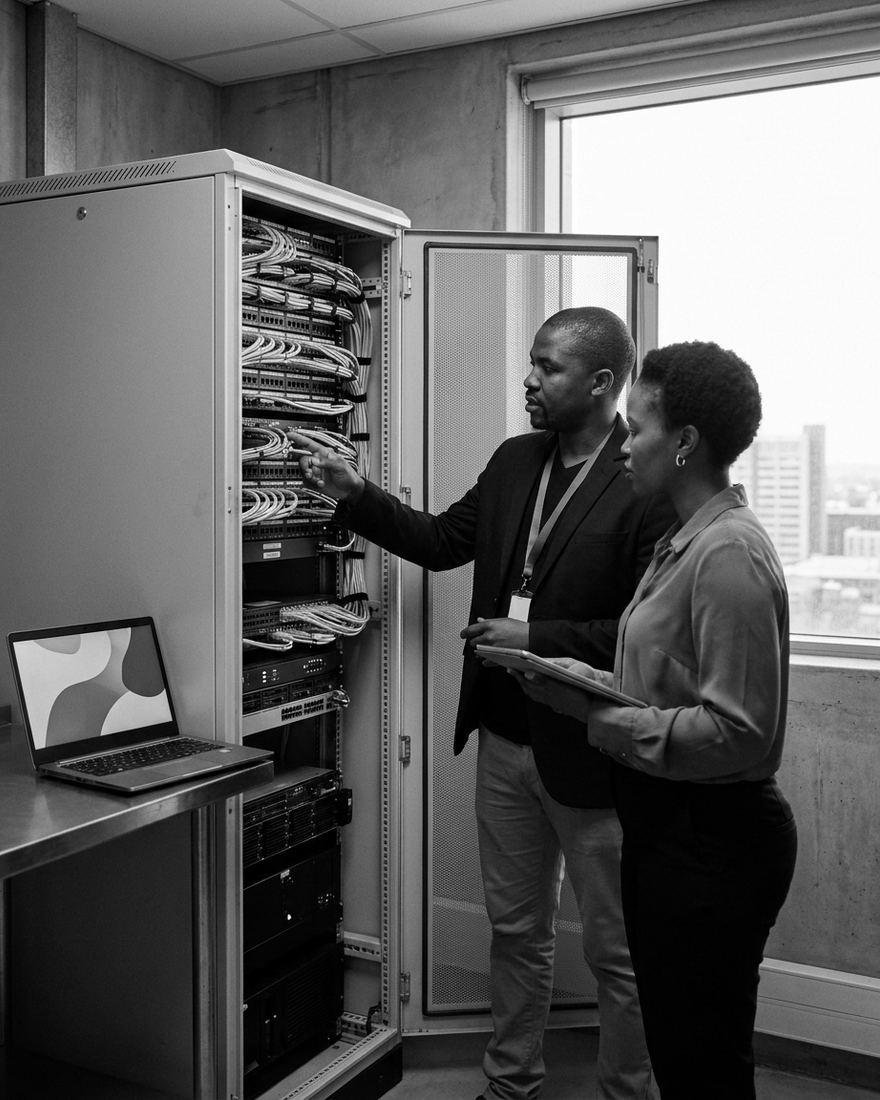
List the equipment that must operate during an outage, such as selected lights, communications, security, access control, refrigeration or pumps. Note each item’s power rating, starting surge, duty cycle and hours of use. Avoid assuming that every appliance needs backup. Load data from meters or a site survey is more useful than a rough estimate because actual demand can vary by time of day, season and occupancy.
Battery capacity is commonly expressed as energy, while an inverter’s rating describes the power it can deliver at a moment. The design must satisfy both. Usable battery energy may be lower than the nameplate value because of reserve settings, operating limits and conversion losses. Add margin for the actual operating plan, but do not treat a larger battery as a substitute for checking simultaneous loads, motor starting requirements or the duration of a prolonged outage.
Decide how the battery will recharge, including whether solar, the grid or a generator will be available. Review ventilation, temperature, fire precautions, access, electrical protection and equipment compatibility with a qualified installer. Ask for a written design showing assumptions, estimated runtime by circuit, warranty conditions and service arrangements. For a complex or business, compare the battery plan with a wider outage resilience plan rather than treating storage as a stand-alone purchase.
Runtime depends on usable stored energy and the average load being supplied, as well as system losses and operating limits. Request a circuit-by-circuit estimate based on measured demand, and test the assumptions against actual use.
No. A larger battery may add cost and require more space without solving a peak-power, inverter or charging limitation. First define the backed-up loads and the required operating period, then size the complete system.
Sometimes, but compatibility, inverter design, protection, warranty and connection rules need checking. A qualified designer should inspect the existing equipment and confirm whether a retrofit is technically and commercially suitable.
Who pays for generators, inverters, batteries and water tanks in a sectional title complex, and which resolutions PMR 29 requires before installation.
Use this energy audit checklist to review business consumption, tariffs, equipment, peak demand and practical efficiency actions in South Africa.
How AI can lower common-property energy costs by scheduling batteries, pumps and lighting around solar output and tariffs, plus the approvals schemes need.
Talk to Dev 360