What does a turnkey commercial project include?
What turnkey delivery covers on a commercial project, from brief and design to appointments, construction and handover, and what stays with the owner.

Commercial projects
Before a commercial project starts, prepare a written brief, a realistic budget range, the site and building information you have, and a view of the approvals required. These four items make scoping and pricing accurate from day one and prevent expensive changes later.
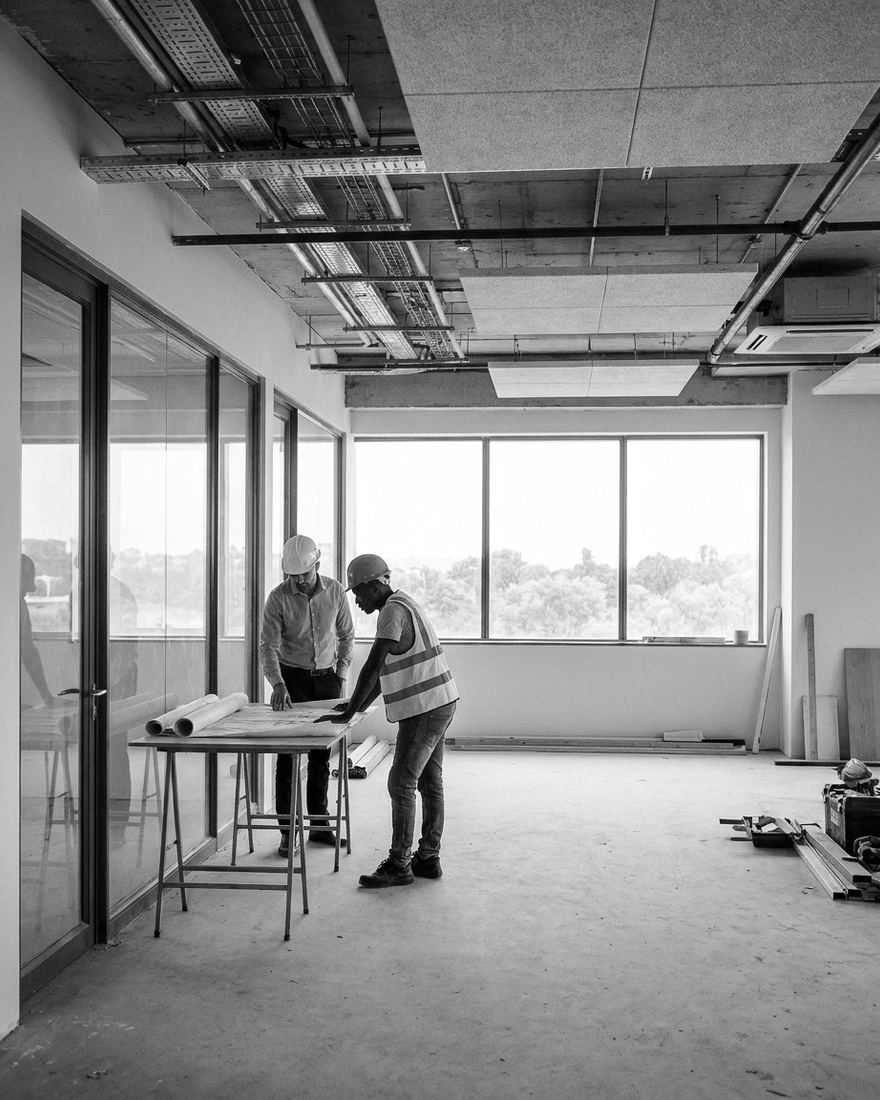
Give a realistic range, including professional fees, contingency and VAT. A budget shared early lets the team design to it rather than redesign later.
List the approvals likely to be needed, such as building plan approval, rezoning or landlord consent, and their typical lead times in your municipality. Approvals often set the real programme.
A downloadable checklist version of this article is planned.
See also: A healing centre building revamp.
Check each source’s current version before acting.
A project brief states the space's purpose, size, quality expectations, priorities, target date and budget range. For a South African commercial project, add zoning, approved plans, lease terms, service constraints and likely municipal approvals. Dev 360 can use these details to scope work.
Confirm the site's zoning and any landlord or body corporate consent first, then identify building-plan approval and other permissions required by the relevant municipality. The sequence depends on the project and site. Check local requirements and likely lead times before promising an opening or occupation date.
What turnkey delivery covers on a commercial project, from brief and design to appointments, construction and handover, and what stays with the owner.
Compare turnkey delivery with appointing separate contractors: accountability, risk, cost control and programme, and which suits which project.
The questions to ask before pursuing a development opportunity: location, zoning, services, market demand, costs and the due diligence still required.
Talk to Dev 360