How to prioritise body corporate maintenance
A practical way for trustees to rank maintenance by safety, compliance, damage risk and cost, and turn the list into a plan owners can support.

Body corporates and sectional title
A coordinated body corporate intervention moves through five stages: assessment, a prioritised plan, trustee approval, coordinated delivery and review. The trustees approve every scope and appointment, while the coordinator manages contractors and reports progress.
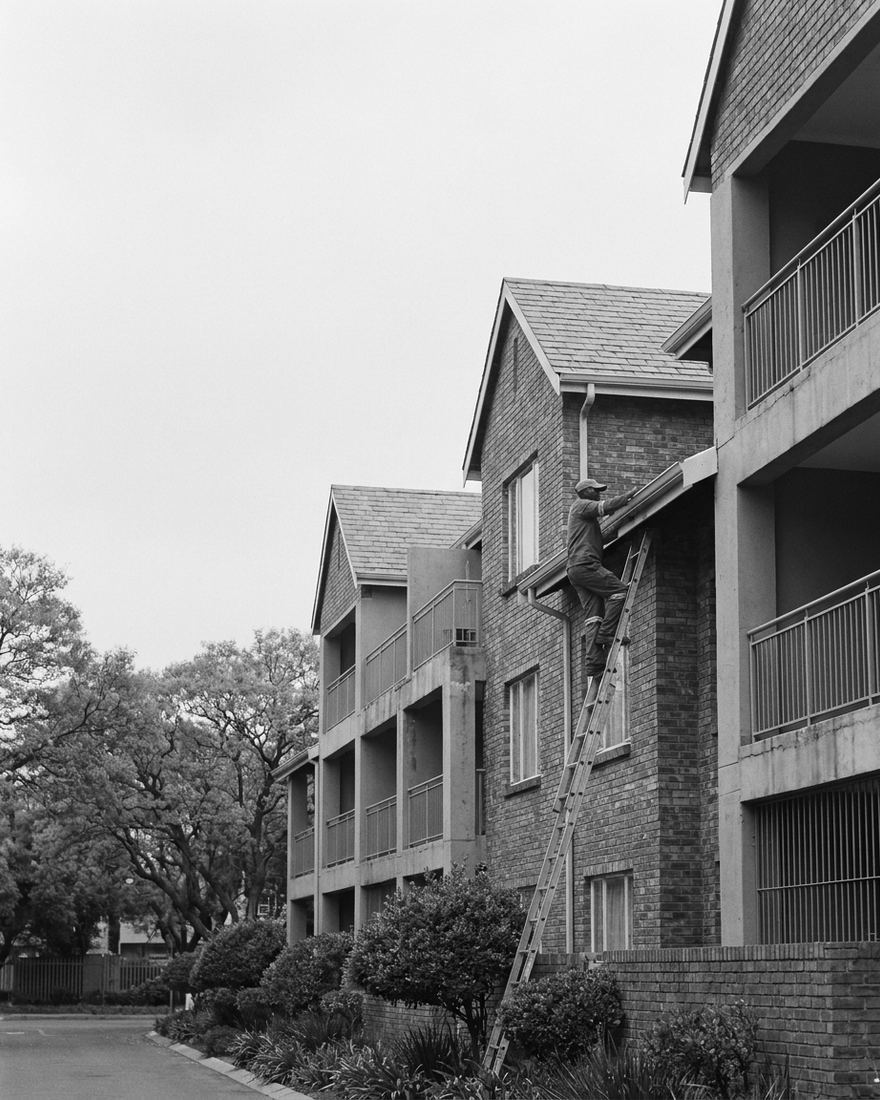
A walk-through of the property, a review of the maintenance plan, financial statements and complaints, and conversations with the trustees and managing agent. The output is a clear picture of what needs attention and why.
Work is ranked by safety, compliance, damage risk and cost, with estimates and a proposed timeline that fits what the scheme can afford.
The trustees review the plan, adjust it and approve it, with owner approval where the scheme’s rules or the law require it.
Qualified contractors are scoped, quoted and appointed with trustee approval. The coordinator manages programme, quality and site access, and reports progress.
Completed work is checked, records and warranties are handed over, and the maintenance plan is updated.
It depends on the size of the scheme and the work involved. An assessment usually takes weeks, not months; delivery can run from a few weeks for urgent repairs to longer for phased major works.
See also: Body corporate scenarios.
Check each source’s current version before acting.
An assessment usually takes a few weeks; urgent repairs may take a few weeks, while major work can be phased over a longer period. In a sectional title scheme, the approved scope, available funds and required STSMA owner approvals also affect the programme.
The trustees approve the prioritised plan, the scope and contractor appointments. Owners must also approve where the scheme's rules or the Sectional Titles Schemes Management Act require it. A coordinator can recommend and organise the work, but the body corporate keeps the decision-making authority.
A practical way for trustees to rank maintenance by safety, compliance, damage risk and cost, and turn the list into a plan owners can support.
What the 10-year maintenance, repair and replacement plan is, what it should cover and how trustees keep it current.
Why maintenance backlogs build up in sectional title schemes, what they cost owners over time, and practical first steps trustees can take.
Talk to Dev 360