How to make an African infrastructure project bankable
Why most African infrastructure projects stall before financial close, and the preparation, offtake, risk allocation and data room lenders need to see.

Africa and infrastructure
Infrastructure projects can plan for climate resilience by identifying relevant climate hazards, understanding how assets and users are exposed, and testing whether the proposed design and operations can maintain service under disruption. Consider the full asset life cycle, linked systems and maintenance capacity. Resilience is project-specific: use credible local evidence and specialist input rather than applying a generic checklist as a substitute for risk assessment.
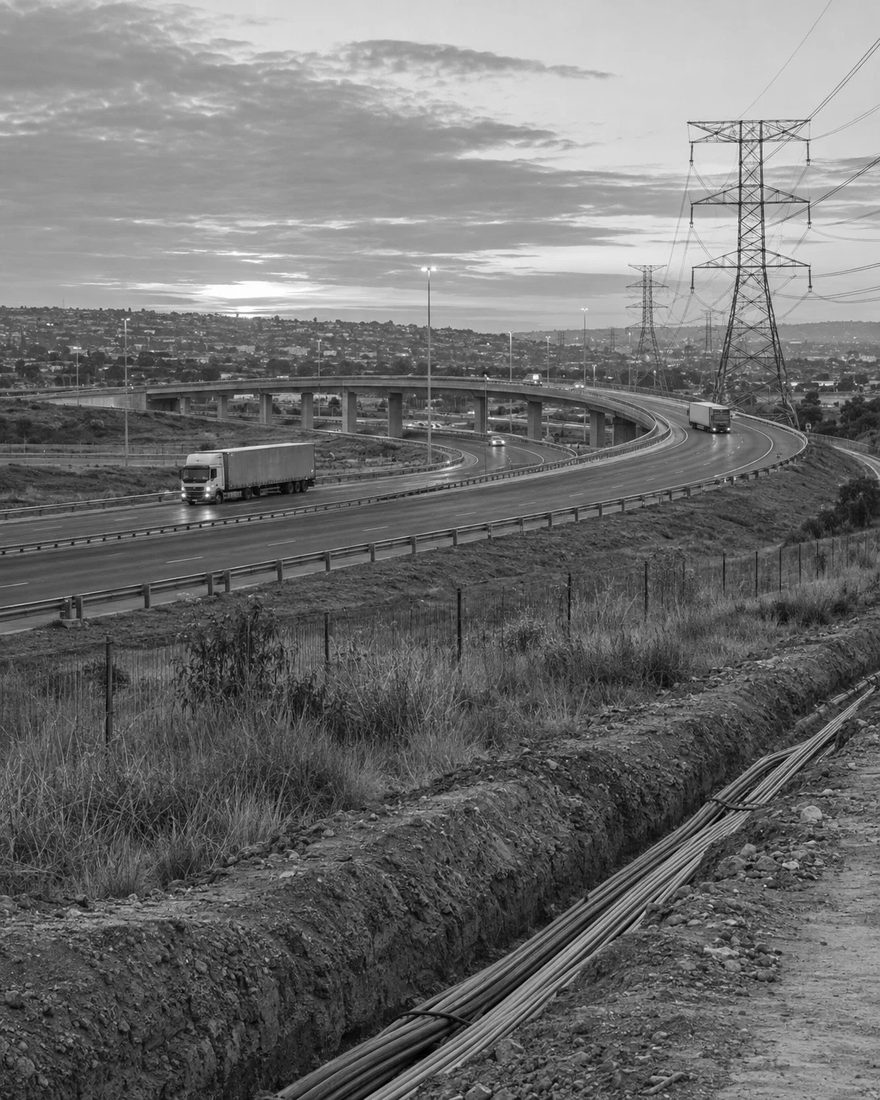
Identify the climate-related hazards relevant to the site and asset, such as heat, flooding, drought, wildfire or coastal conditions where applicable. Use credible local information and account for uncertainty over the project life. Map who and what may be affected, including communities, access routes, power, water and communications. A hazard list alone is not enough; the assessment should connect exposure to the service the infrastructure is intended to provide.
Infrastructure depends on other systems. A road may rely on drainage and bridges; a water facility may depend on energy and access; a public building may rely on cooling and water supply. Examine failure points, alternative routes, redundancy and recovery arrangements. Compare design options and operating practices, including inspection and maintenance. Involve the asset owner and operators so resilience measures remain practical after construction and handover.
Translate assessed risks into design criteria, specifications, maintenance plans and procurement requirements. Identify who verifies the criteria and what evidence is needed during design and construction. Consider lifecycle costs and the capacity to maintain or replace components. The African Development Bank publishes information on infrastructure and climate work; project teams should also consult applicable national standards and climate assessments for the specific location.
No. It also concerns how infrastructure maintains or restores its service as climate conditions and associated stresses change over time
No. It can prompt questions, but project decisions require location-specific evidence, risk assessment and appropriate professional input Confirm this before work starts
During project identification and preparation, then carried through design, procurement, construction, operation and maintenance Confirm this before work starts Confirm this before work starts
Why most African infrastructure projects stall before financial close, and the preparation, offtake, risk allocation and data room lenders need to see.
The documents lenders and investors expect in an infrastructure data room: feasibility, land, permits, environmental studies, offtake and the financial model.
PropDev 360 facilitates development in Gauteng: housing, student living, hospitality, commercial and energy-ready schemes. Details under NDA.
Talk to Dev 360