Commercial turnkey projects
Commercial fit-outs, refurbishments and new builds managed from brief to handover through one accountable point of contact in Gauteng.

Commercial projects
A commercial fit-out programme depends on design decisions, approvals, long-lead items, site access and the amount of work that can safely happen at once. There is no reliable duration without a defined scope and property constraints. Map dependencies before setting a completion date, then update the programme when approvals, procurement or existing-building conditions change.
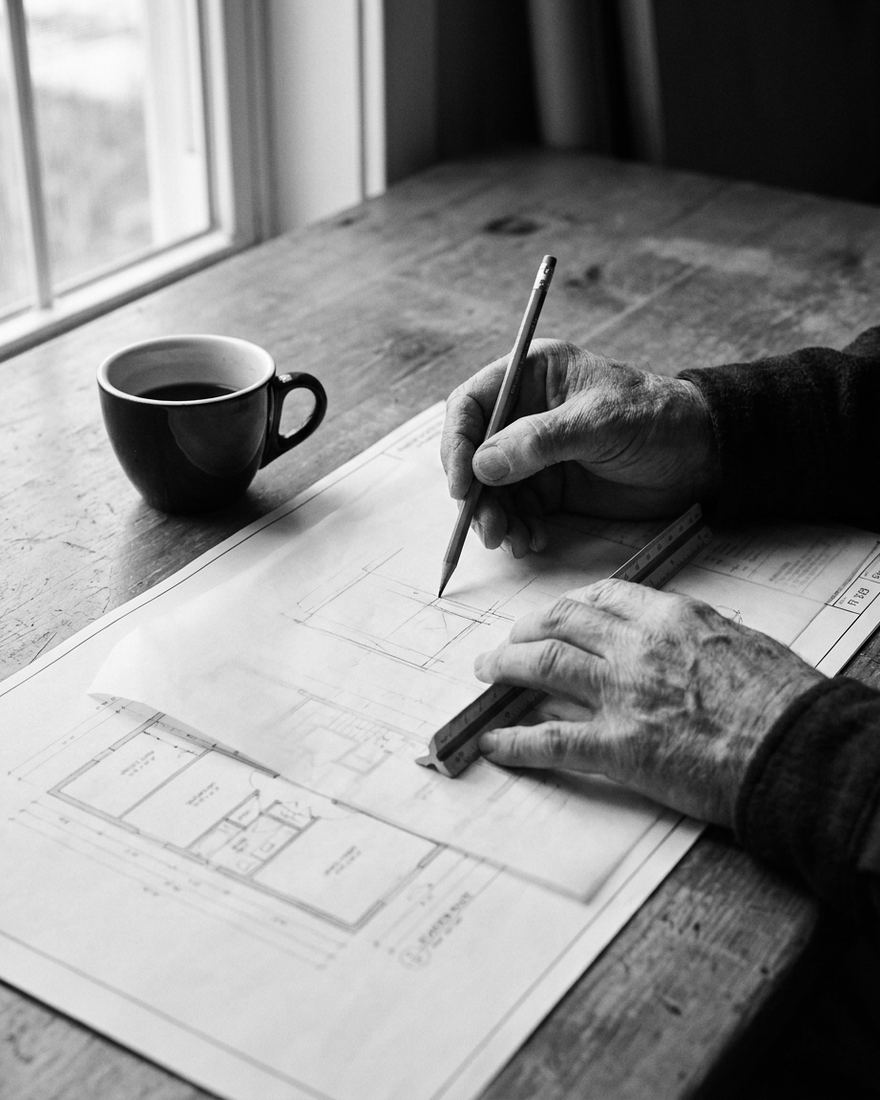
A programme begins before site mobilisation. It should show when the client will approve layouts, finishes, services and costs, as well as when the landlord or relevant authority must review submissions. Late decisions can affect procurement and trigger redesign. Identify the information needed for each approval and assign an owner and due date. Where the building has operating rules, include access windows, noisy-work restrictions, delivery routes and required protection measures in the baseline plan.
Some equipment, finishes and specialist components may need ordering before other work can proceed. The contractor should identify such items, confirm what information is required to place orders, and show delivery assumptions in the programme. Construction activities should be linked logically, including isolations, removal, installation, inspections and making good. Do not compress a programme simply by overlapping incompatible trades. The site team needs enough time for coordination, safe access, inspections and correction of defects.
Completion is more than finishing visible work. Include commissioning, statutory inspections where applicable, compliance documentation, training, cleaning, snag correction and client acceptance. If a business must maintain operations, plan phased handovers and agree which areas can be isolated safely. Track progress against the approved baseline, explain variance and record recovery actions. A realistic date reflects both construction and the steps needed for lawful, safe and practical use of the space.
A date can be used as a planning target, but confidence is limited while scope, approvals and procurement assumptions remain open. Record those assumptions and revisit the target after design coordination and contractor input.
Common causes include late design decisions, landlord review, long-lead procurement, restricted site access and unexpected existing conditions. The specific risk depends on the building and scope, so identify it through early surveys and coordination.
Yes. Allow time for testing, commissioning, inspections, training and handover records. Treating those activities as an afterthought can leave a physically complete space that is not ready for safe operation or occupation.
Commercial fit-outs, refurbishments and new builds managed from brief to handover through one accountable point of contact in Gauteng.
What to prepare before a commercial project: a written brief, budget range, site and building information and the approvals likely to be needed.
How Dev 360 is planning a five-phase upgrade of a working private hospital: external works, wards, a new theatre and public areas, without stopping care.
Talk to Dev 360