Should a business choose a solar PPA or a lease?
Compare a solar power purchase agreement with a lease for a South African business, including ownership, payments, maintenance and contract risks.

Energy and utilities
Electricity wheeling allows electricity generated at one location to be delivered through a transmission or distribution network for use at another location, subject to the applicable market, network and contractual arrangements. It does not mean that electrons travel directly from one named generator to one customer. Parties must confirm access, charges, metering, settlement and approvals with the relevant network operators.
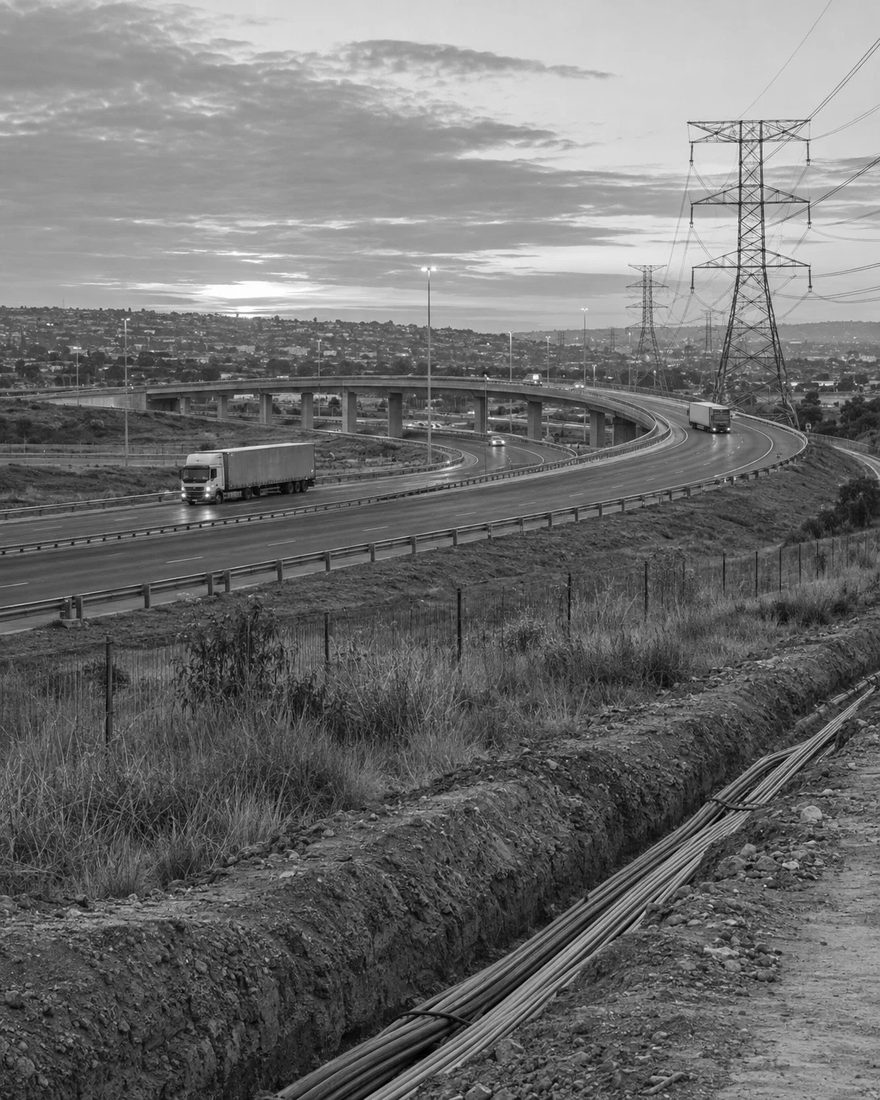
A wheeling arrangement links a generator, a customer and the network used to move electricity between their locations. The network remains essential, and electricity is managed through the applicable system rules rather than a dedicated physical line between the two sites. The parties need to understand how the generated electricity is measured, how consumption is matched and what happens when production and demand differ.
Before signing, map the roles of the generator, customer, distributor, market or service provider and any balancing or settlement party. Review network-use charges, losses, metering, billing, credit risk, shortfalls, excess generation, contract term and exit rights. The price of generated electricity is only one part of the total arrangement. Request a written explanation of the calculation method and test it against realistic consumption and generation patterns.
Wheeling depends on the relevant network operators’ rules and available processes, which can differ by location and change over time. Ask the generator’s and customer’s distributors about application requirements, technical capacity, meters, registration and approvals before treating a proposal as deliverable. A legal and technical review can help match the energy contract to the connection and settlement arrangements. Dev 360 can support project coordination through its commercial turnkey service.
No. Wheeling uses the transmission or distribution network to move electricity accounting from a generator to a customer at another location. Applicable network charges, technical rules, metering and settlement still matter.
Not automatically. Access depends on the relevant network processes, technical conditions, commercial arrangements and approvals. Both the generator and customer should confirm the requirements with their network operators.
They are related but not identical. A power purchase agreement sets commercial terms for buying electricity, while wheeling concerns network delivery and settlement across locations. A project may need both contractual arrangements.
Compare a solar power purchase agreement with a lease for a South African business, including ownership, payments, maintenance and contract risks.
Understand small-scale embedded generation registration in South Africa, including why owners should check distributor rules before connecting solar.
A practical commercial rooftop solar checklist for South African businesses, covering roof capacity, electricity use, approvals, connection and contracts.
Talk to Dev 360