A cinema experience centre, designed by a Dev 360 Associate
A cinema and smart-living experience centre designed by a Dev 360 Associate: lounge cinema, star-ceiling cinema and bar lounge.

Design and architecture
In short
Home cinema acoustics begin with the room, not only the speakers. Room proportions, listening positions, reflective surfaces, openings and background noise all affect the experience. Plan the seating and speaker layout together, then consider acoustic treatment and sound isolation as distinct issues. A specialist should confirm technical requirements for the actual room and equipment.
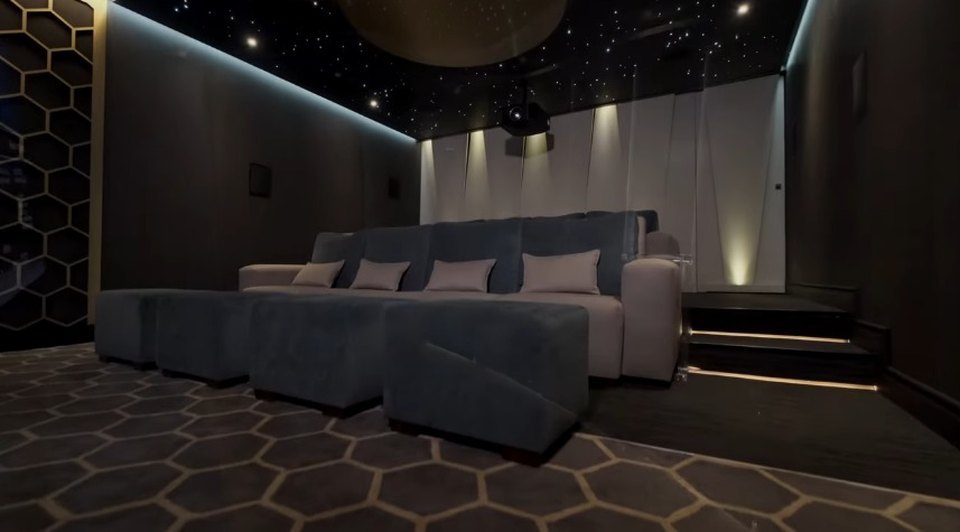
Record room dimensions, openings, ceiling height and likely seating positions before fixing equipment locations. Speaker placement and listening geometry depend on the chosen system and the room, so generic spacing rules may not suit every installation. Identify doors, windows, ducts and neighbouring noise sources. Test the primary seat as well as secondary positions. This early coordination can reveal conflicts between a preferred layout, screen location, circulation and acoustic performance.
Acoustic treatment shapes sound within the room by managing reflections and reverberation. Sound isolation aims to limit sound transfer through walls, floors, ceilings, doors and service openings. They are different design problems and require different interventions. Soft finishes alone cannot guarantee that sound will not disturb other rooms or neighbours. Discuss structure, construction build-ups and services with suitably qualified professionals before assuming that a decorative panel solves a sound transmission issue.
Review speaker locations, acoustic elements, lighting, ventilation, screen sightlines and equipment access together. Treatments should be integrated into the design rather than added wherever a panel fits. Dev 360 presents a cinema experience centre concept that includes a home-cinema setting; the example illustrates why design ownership and coordinated decisions matter. The final room still needs project-specific acoustic and technical input.
Check each source’s current version before acting.
No. Curtains can affect some sound reflections, but they do not by themselves provide sound isolation through the complete building envelope
For demanding performance, sound isolation or complex equipment, seek specialist advice. The need depends on the room, building and expectations, not simply on its label as a cinema.
Identify the intended system and equipment constraints early. Coordinate final speaker positions and room details with the relevant technical specialists before construction or installation
A cinema and smart-living experience centre designed by a Dev 360 Associate: lounge cinema, star-ceiling cinema and bar lounge.
Design Studio: interiors, experience spaces and 3D visualisation, from a parametric experience centre lobby to signature bedroom suites.
Plan home cinema sightlines by checking screen position, seat heights, viewing angles and circulation. Use this checklist before finalising the room.
Published by Dev 360, led by Hannes Dupper, Director · In the press
Talk to Dev 360