Africa’s infrastructure gap is a preparation problem as much as a money problem
Africa needs USD 130 to 170bn a year for infrastructure. Why projects stall before financial close, and what works in roads, energy, water and data.

Africa and infrastructure
The AfCFTA removes tariffs, but goods still move on roads, rail, ports and border posts. The World Bank says its benefits depend on trade facilitation, including one-stop border posts and fewer non-tariff barriers. Its 2020 modelling found the agreement could lift 30 million people out of extreme poverty, for a market of 1.3 billion people.
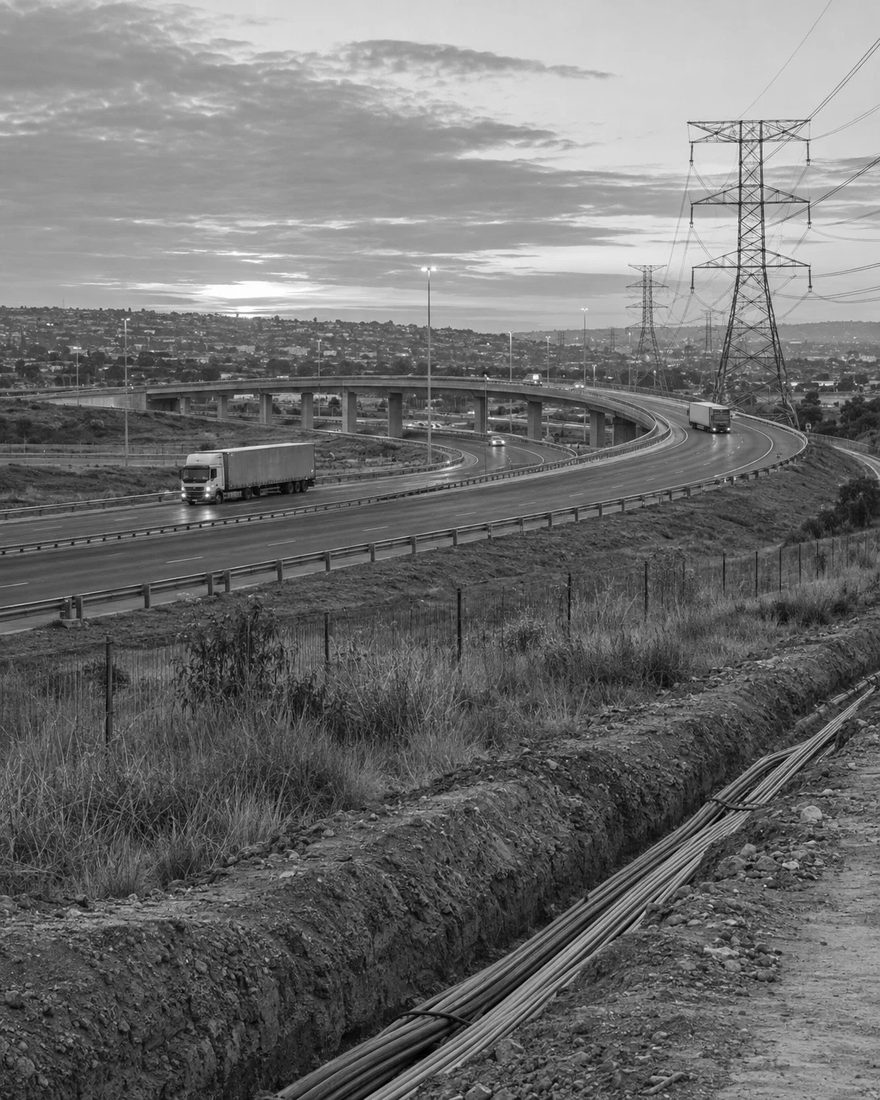
On the Nacala corridor, World Bank project data show Blantyre import transit time falling from 15 to 5 days between 2016 and 2018. Later results for the same project report border clearance cut from almost six days to under 15 hours.
For South African firms, the opportunity is in delivery: construction, engineering, logistics, energy and digital services. Read PIDA explained and roads-to-markets.
Check each source’s current version before acting.
The AfCFTA needs trade corridors, efficient one-stop border posts, reliable power, digital customs and logistics hubs. These infrastructure links help goods move across Africa, so tariff reductions can translate into faster and less costly trade rather than remaining only a formal market change.
50 countries had ratified the AfCFTA by February 2026, according to the AfCFTA Secretariat. That figure is dated because ratifications can change; cite the date with the number and check the Secretariat's latest update before using it in a current African trade briefing.
No. The AfCFTA is a trade agreement, not an infrastructure fund. African infrastructure projects are financed separately by governments, development banks and private investors, while the agreement creates a market that corridors and logistics systems can help serve.
Africa needs USD 130 to 170bn a year for infrastructure. Why projects stall before financial close, and what works in roads, energy, water and data.
What blended finance is, how first-loss capital, guarantees and concessional tranches reduce risk for private lenders, and the latest Convergence…
Why hard-currency debt on local-currency revenue is risky for African infrastructure, and how TCX, local bonds and guarantees help reduce currency…
Talk to Dev 360